
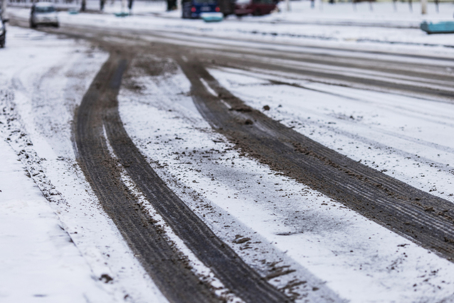
The first snow and ice of the season can quickly change Minnesota roads. A route that was dry and predictable in the morning may become slick by the afternoon. Visibility can also change as snow begins to fall, temperatures drop, and daylight becomes shorter.
These conditions can increase the likelihood of a crash, but winter weather does not automatically determine who is legally responsible when a collision occurs. If you are injured in a crash, it is important to look beyond the weather itself and consider what each driver was doing before the collision.
For Minnesota drivers, understanding what can matter after a snow- or ice-related crash may help you make informed decisions about your next steps.
Winter Weather Does Not Automatically Excuse Negligent Driving
Snow and ice can make driving more difficult, but drivers are still expected to operate their vehicles responsibly under the conditions they encounter.
A driver who continues at an unsafe speed, follows another vehicle too closely, fails to account for reduced visibility, or makes an unsafe maneuver may contribute to a crash even when the road is slippery.
The important question is not simply whether it was snowing or icy. It may also be necessary to consider whether the driver adjusted their behavior appropriately for those conditions.
For example, a speed that might be reasonable on a dry road could be unsafe when visibility is poor or the roadway is covered with ice. Similarly, leaving insufficient space between vehicles can make it much harder to stop when traction is limited.
The Road Conditions May Be Part of the Bigger Picture
After a winter crash, the condition of the roadway may be relevant to understanding what happened.
Snow and ice can accumulate in different ways depending on temperatures, precipitation, traffic, and road maintenance. A road may also have areas that are more hazardous than others, including intersections, bridges, ramps, and shaded stretches where ice can remain after other areas have cleared.
That does not necessarily mean a roadway owner is responsible for a crash. However, when determining what happened, it can be important to consider the surrounding circumstances rather than treating the weather as the entire explanation.
Photos of the roadway, weather information, witness accounts, crash reports, and other evidence may help establish the conditions at the time of the collision.
Other Drivers May Have Contributed to Your Injuries
Winter crashes are not always straightforward. A collision may involve multiple vehicles, and more than one person may have contributed to what happened.
For example, one driver may lose control on ice, causing another driver to take evasive action. A third vehicle may then collide with one of the vehicles involved. In a multi-vehicle crash, determining how the collision occurred can require a careful review of the sequence of events.
Minnesota’s comparative fault rules can also make questions of responsibility particularly important. If more than one party contributed to an injury, the circumstances surrounding each person’s conduct may need to be examined.
What Should You Do After a Snow- or Ice-Related Crash?
If you are physically able to do so after a crash, consider taking steps to preserve information about what happened.
Seek appropriate medical attention for your injuries and follow your medical provider’s recommendations. Some injuries may not be immediately obvious, particularly after the initial stress of a collision.
You should also consider documenting the scene when it is safe to do so. Photographs may show vehicle damage, roadway conditions, snow or ice accumulation, visibility, traffic signals, and other details that could become difficult to establish later.
Keep records related to medical care, time missed from work, vehicle damage, and other losses connected to the crash. If an insurance company contacts you, be cautious about making statements before you understand how those statements could affect your claim.
A Winter Crash Can Have Consequences Beyond Vehicle Damage
The first winter weather of the season can make driving in Minnesota more challenging, but the consequences of a crash can extend far beyond repairing a vehicle.
An injury may affect your ability to work, care for your family, participate in everyday activities, or manage expenses. If your injuries are serious, you may also face ongoing treatment or other long-term effects.
Understanding your legal options early can help you make decisions based on the full circumstances of your situation.
Talk to Fay & Associates About Your Minnesota Injury Claim
If you were injured in a crash involving snow or ice in Minnesota, determining what happened and who may be responsible can be complicated. Fay & Associates can review the circumstances of your injury and help you understand your legal options.
Contact Fay & Associates at (612) 888-8354 to discuss your Minnesota personal injury claim.